
How Does GS1 Digital Link Differ from Traditional Barcodes?

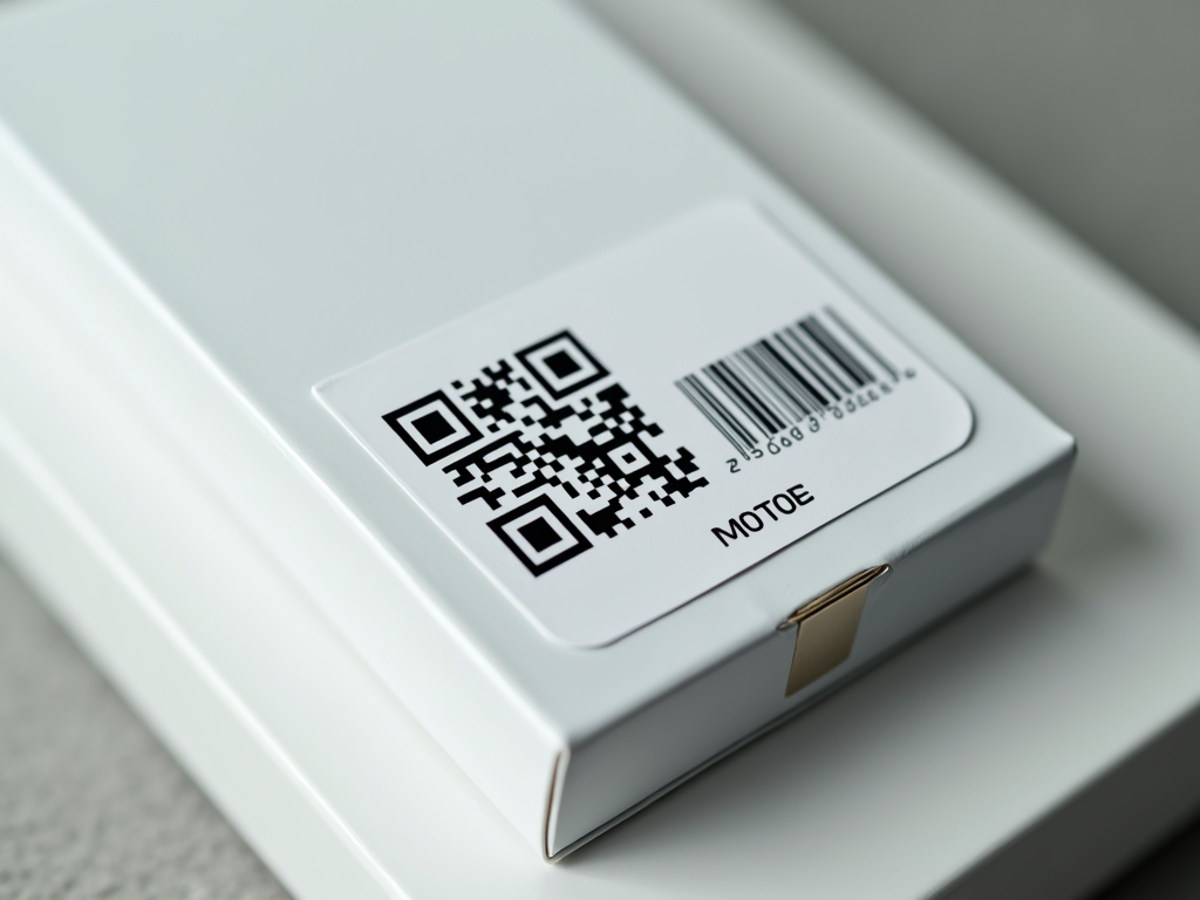
The GS1 Digital Link is a revolutionary advancement in the way product information is shared, moving beyond the traditional role of barcodes. It’s a modern standard that connects physical products to digital content, providing a richer and more interactive experience for consumers and businesses alike. Let’s explore what GS1 Digital Link is and how it differs from the barcodes we’re all familiar with.
1. Understanding GS1 Digital Link
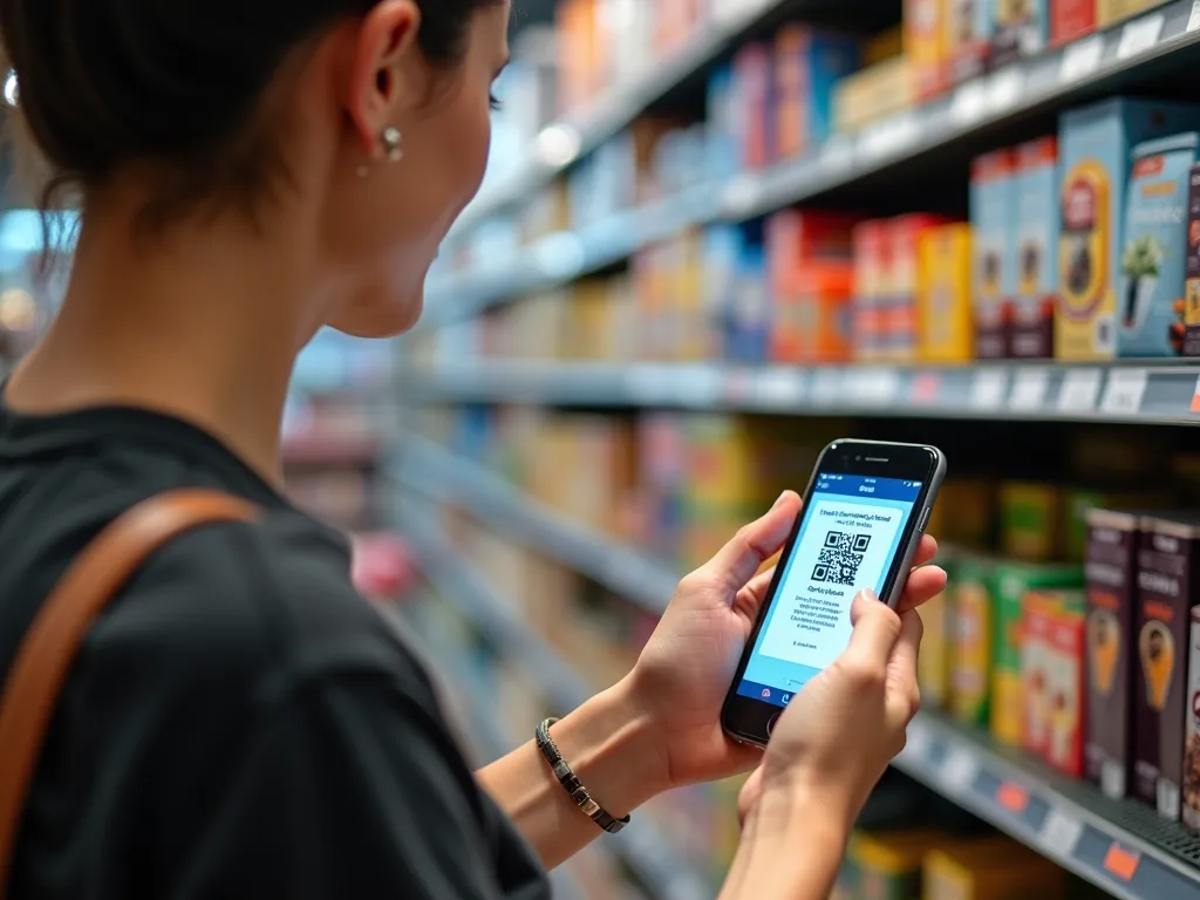
The GS1 Digital Link is essentially a URL embedded in a barcode or QR code that connects to online content. When a customer scans this code with a smartphone or a compatible scanner, they are directed to a web-based experience that can include a variety of information and interactive features, such as:
- Product details
- User manuals
- Promotional offers
- Sustainability information
- Traceability data
Unlike traditional barcodes, which only contain a product identifier like a GTIN (Global Trade Item Number), the GS1 Digital Link can link to multiple resources and be updated in real-time without changing the physical code on the product.
2. How Traditional Barcodes Work
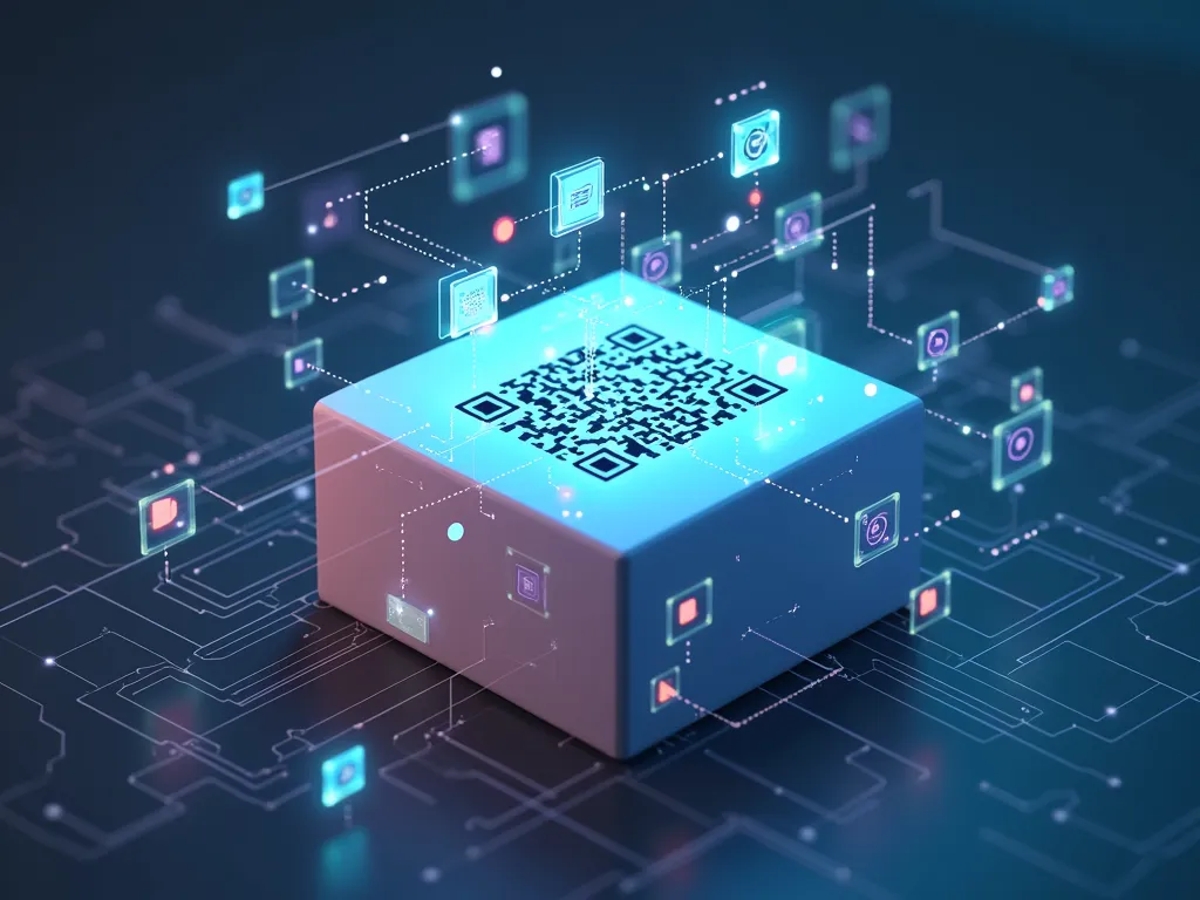
Traditional barcodes, including linear barcodes like UPC or EAN codes, are printed on product packaging and contain encoded information, usually a unique product identifier. This identifier is scanned at the point of sale to retrieve price and inventory data from a centralized database. While effective for basic tasks like checkout and inventory management, traditional barcodes have limitations:
- Limited Data Capacity: Traditional barcodes can only hold a small amount of information, typically just the GTIN.
- Static Information: Once printed, the information in a traditional barcode cannot be changed or updated.
- Single Purpose: Traditional barcodes are primarily used for pricing and inventory management; they don’t directly connect customers to additional content or experiences.
3. Key Differences Between GS1 Digital Link and Traditional Barcodes
Dynamic Content vs. Static Information: The GS1 Digital Link allows businesses to update the linked digital content as needed without changing the barcode itself. Traditional barcodes, on the other hand, are static and cannot be updated once printed.
Richer Customer Engagement: With GS1 Digital Link, customers can access a wide range of content beyond just pricing, including product reviews, promotions, and even augmented reality experiences. Traditional barcodes offer no such interactivity.
Multiple Applications: GS1 Digital Link can serve multiple functions, from marketing to customer support, whereas traditional barcodes are mainly used for product identification at the point of sale.
Omnichannel Integration: The GS1 Digital Link supports seamless integration across various channels, such as e-commerce platforms and mobile apps. Traditional barcodes are limited to physical retail environments.
4. Benefits of GS1 Digital Link Over Traditional Barcodes
The GS1 Digital Link offers several advantages over traditional barcodes, making it a more versatile and future-proof solution:
Enhanced Customer Experience: By linking to detailed product information, user manuals, and promotional offers, the GS1 Digital Link provides a richer experience for customers, increasing satisfaction and brand loyalty.
Operational Flexibility: Businesses can update the linked content as needed, ensuring that customers always have access to the most current information without the need to reprint packaging.
Global Compatibility: GS1 Digital Link is built on global standards, making it compatible with various systems and markets worldwide, just like traditional GS1 barcodes, but with added digital capabilities.
By adopting GS1 Digital Link, your business can go beyond the limitations of traditional barcodes, offering a more dynamic, interactive, and flexible way to connect with customers and manage product information.