
Will GS1 Digital Link Require Changes to Product Labeling or Packaging?

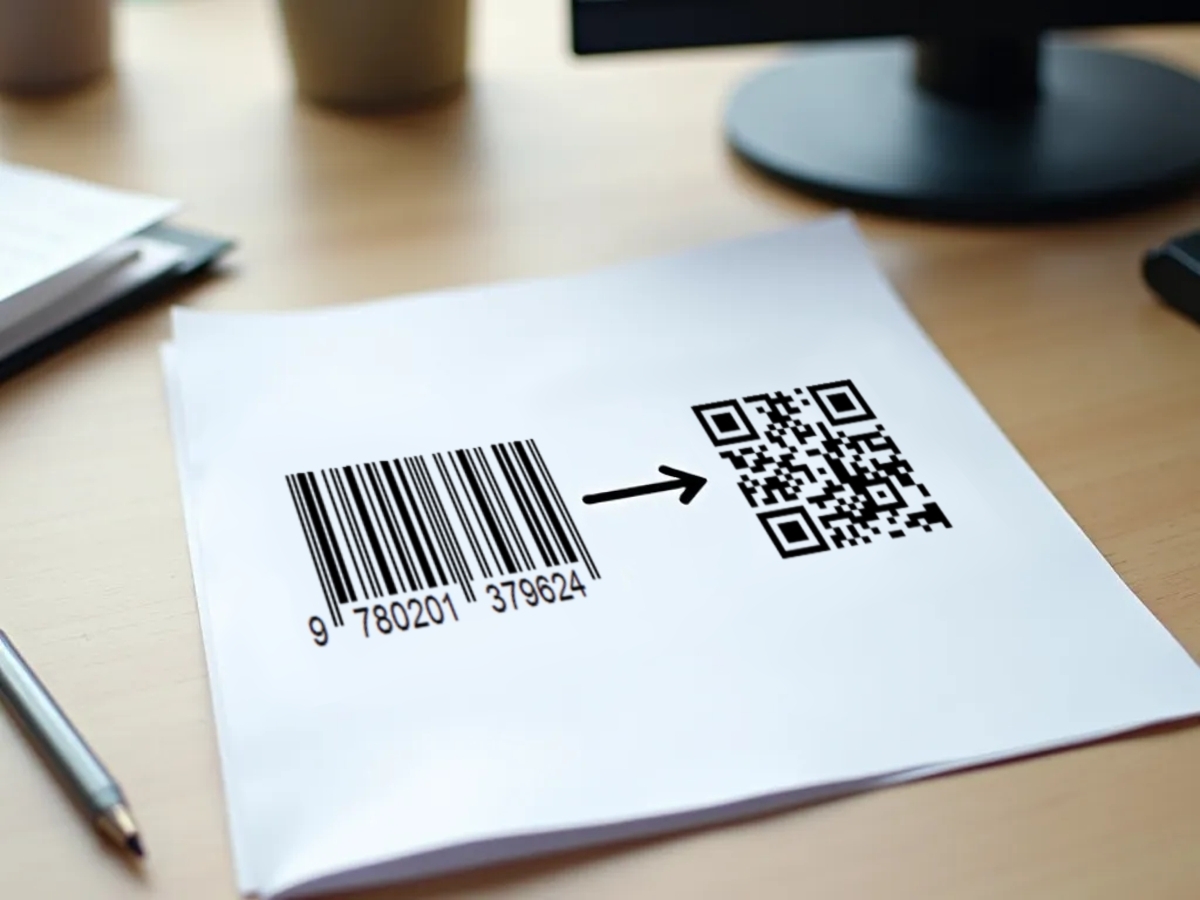
Adopting GS1 Digital Link in your business offers many benefits, but one key consideration is whether it will require changes to your product labeling or packaging. The good news is that while some adjustments may be needed, they are generally straightforward and can be managed without significant disruption. Here’s what you need to know:
1. Minimal Changes to Existing Barcodes
If your products already use GS1 barcodes (like UPCs, EANs, or QR codes), integrating GS1 Digital Link can often be done with minimal changes. The same physical space on the packaging that currently houses a traditional barcode can often be used for the GS1 Digital Link code.
- Reusing Existing Space: The GS1 Digital Link can be encoded into a QR code or other 2D barcode formats that take up roughly the same amount of space as traditional barcodes. This means you won't necessarily need to redesign your packaging to accommodate the new code.
- Flexible Integration: If your existing barcode is linear (1D), transitioning to a 2D barcode that can carry the GS1 Digital Link may require a slight redesign, but it’s often as simple as replacing the old barcode with a new one in the same location.
2. Adding a QR Code or 2D Barcode
The most significant change you might need to make is adding a QR code or another type of 2D barcode to your packaging. This is necessary because GS1 Digital Link requires a code that can carry a URL, which traditional linear barcodes cannot do.
- Design Considerations: When adding a QR code, consider its placement and size to ensure it is easily scannable by consumers while still fitting within your overall packaging design. The QR code should be positioned where it’s easily visible and accessible to users.
- Label Layout: Depending on your existing label layout, you may need to adjust other design elements to accommodate the new barcode. However, this is usually a minor change and can be integrated into your next packaging update or redesign.

3. Maintaining Compliance with Labeling Regulations
It’s important to ensure that any changes made to accommodate GS1 Digital Link still comply with relevant labeling regulations. This includes ensuring that all mandatory information, such as nutritional facts, safety warnings, and certifications, remains clear and accessible.
- Regulatory Considerations: Adding a GS1 Digital Link should not interfere with the visibility of legally required information. In many cases, it can coexist with traditional barcodes or replace them without affecting compliance.
- Dual Barcoding: If you choose to keep the traditional barcode alongside the GS1 Digital Link, you’ll need to manage the placement of both on the packaging. This approach can be particularly useful during a transition period where some retailers or regions may not yet support the new standard.
4. Impact on Packaging Materials and Printing
In terms of the materials and printing processes used for your packaging, the shift to GS1 Digital Link should not require significant changes.
- Printing Technologies: Most modern printing technologies that handle traditional barcodes can also print QR codes and other 2D barcodes without any issues. This means you won’t need to invest in new printing equipment or materials.
- Cost Considerations: The cost impact of adding a GS1 Digital Link QR code to your packaging is typically minimal. It may involve some initial design adjustments and possibly new printing plates, but these are usually one-time expenses.
5. Customer and Retailer Communication
If you make changes to your product labeling or packaging, it’s important to communicate these updates to both customers and retailers to ensure a smooth transition.
- Customer Awareness: Educate your customers about the benefits of scanning the new GS1 Digital Link code, such as accessing detailed product information, promotions, and support services. This can be done through marketing campaigns, on-pack messaging, or online content.
- Retailer Coordination: Coordinate with retailers to ensure they are prepared for the changes, particularly if the GS1 Digital Link is replacing a traditional barcode. This might include updating their scanning equipment or systems to support the new standard.
Transitioning to GS1 Digital Link may require some changes to your product labeling and packaging, primarily in the form of adding a QR code or other 2D barcode. However, these adjustments are generally minimal and can be integrated into your existing design processes. By carefully managing the transition, you can take advantage of the many benefits that GS1 Digital Link offers without significant disruption to your operations.